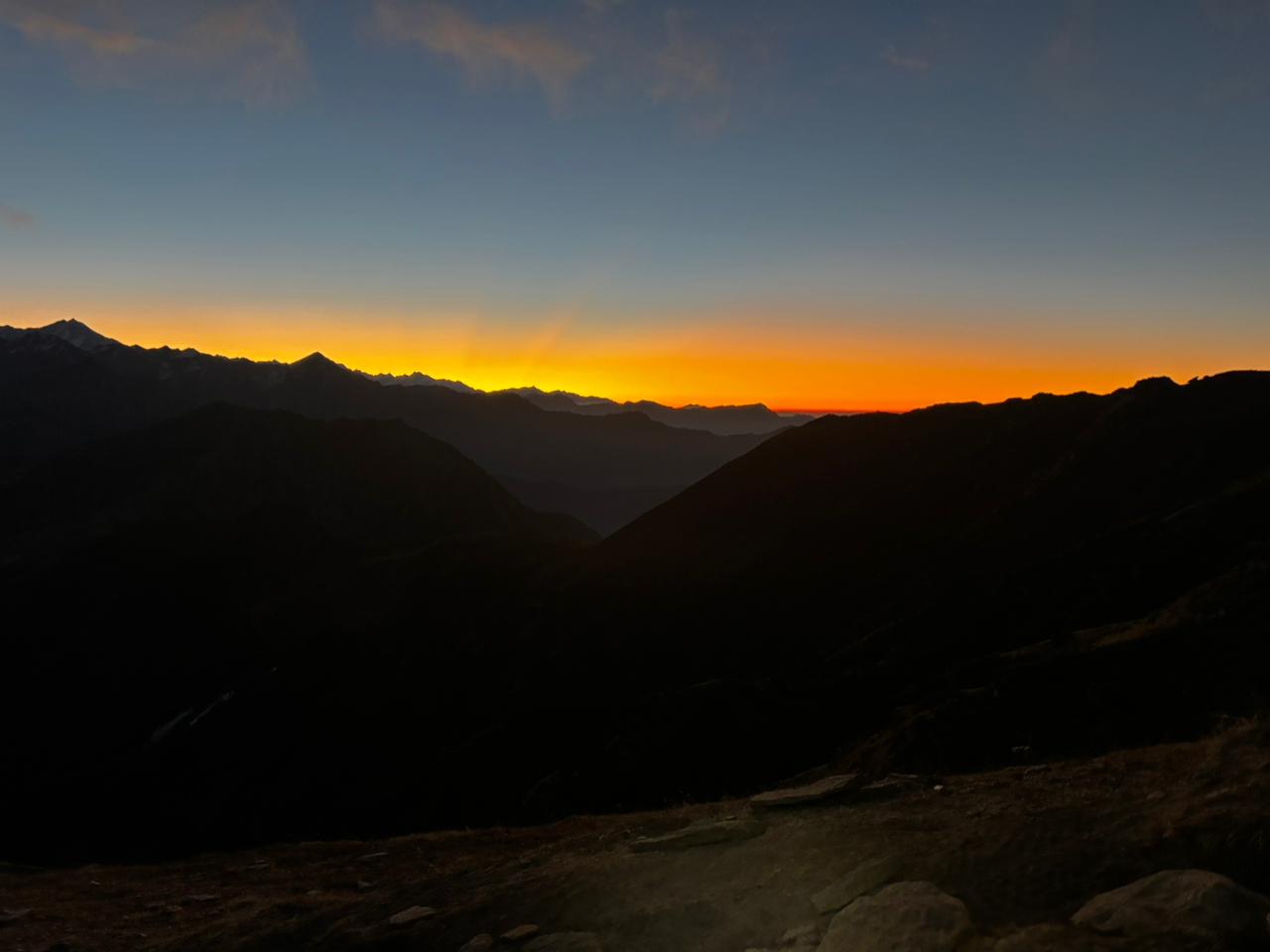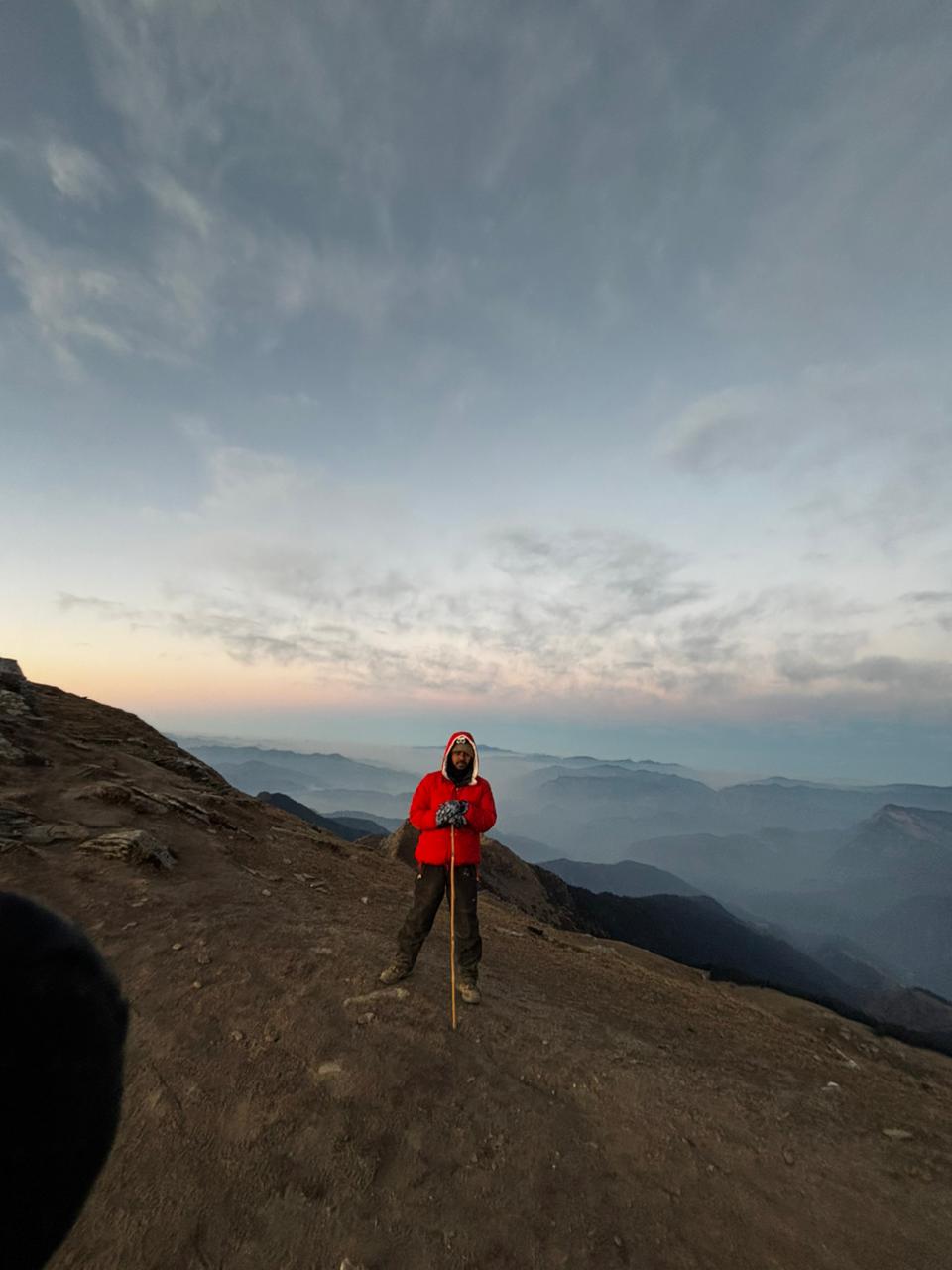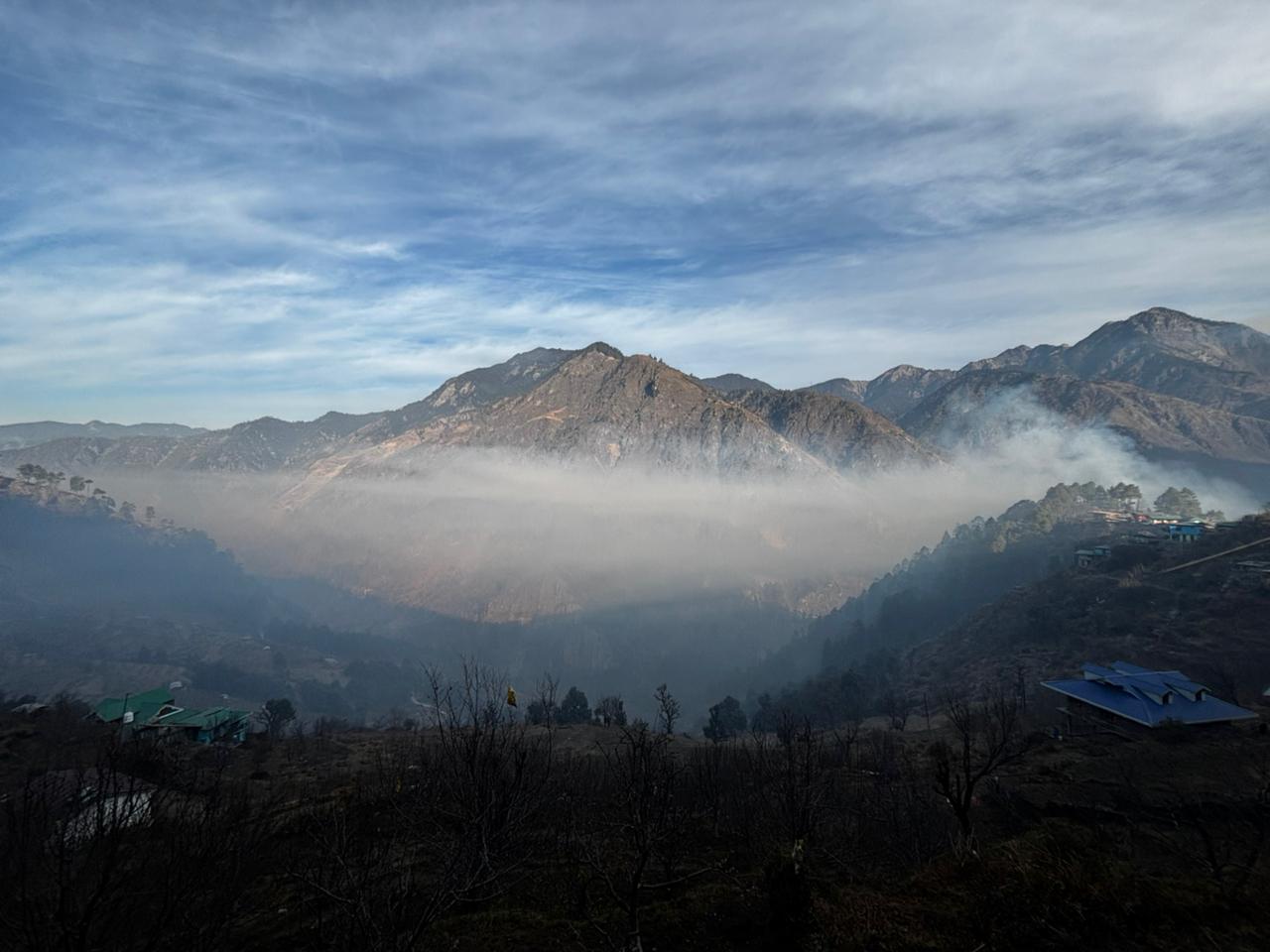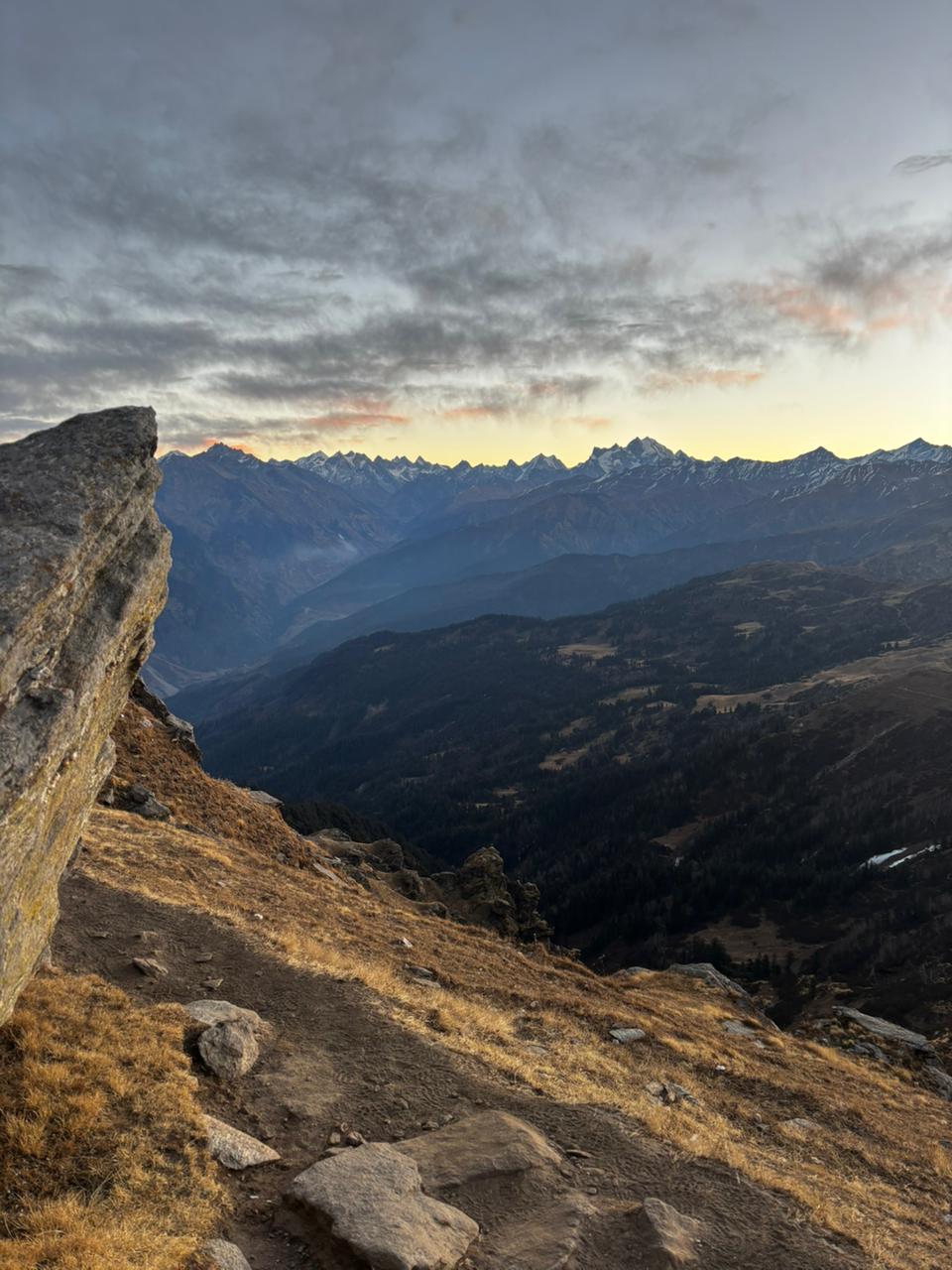

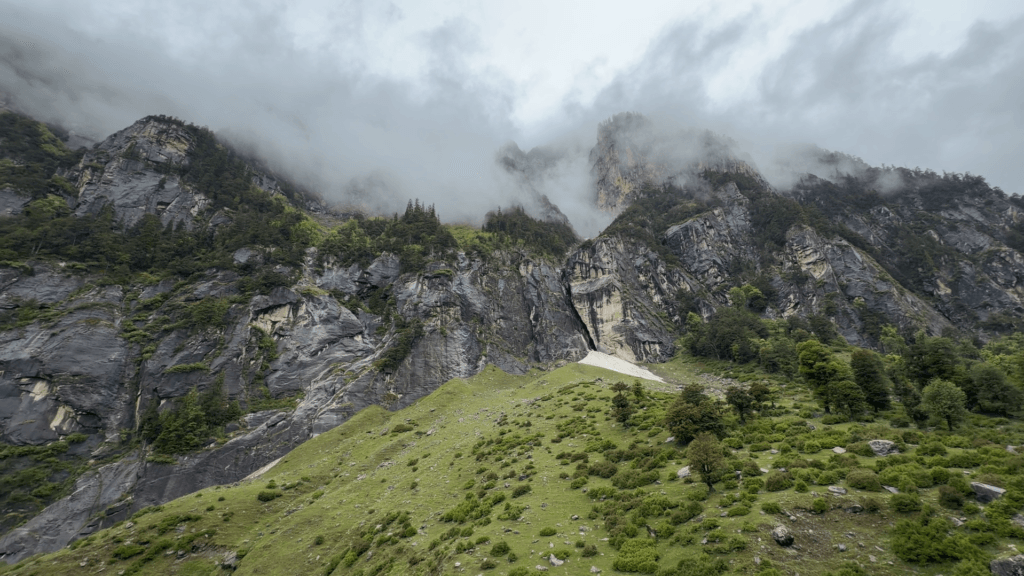
A Dramatic Himalayan Crossover.
A Thrilling Himalayan Crossover
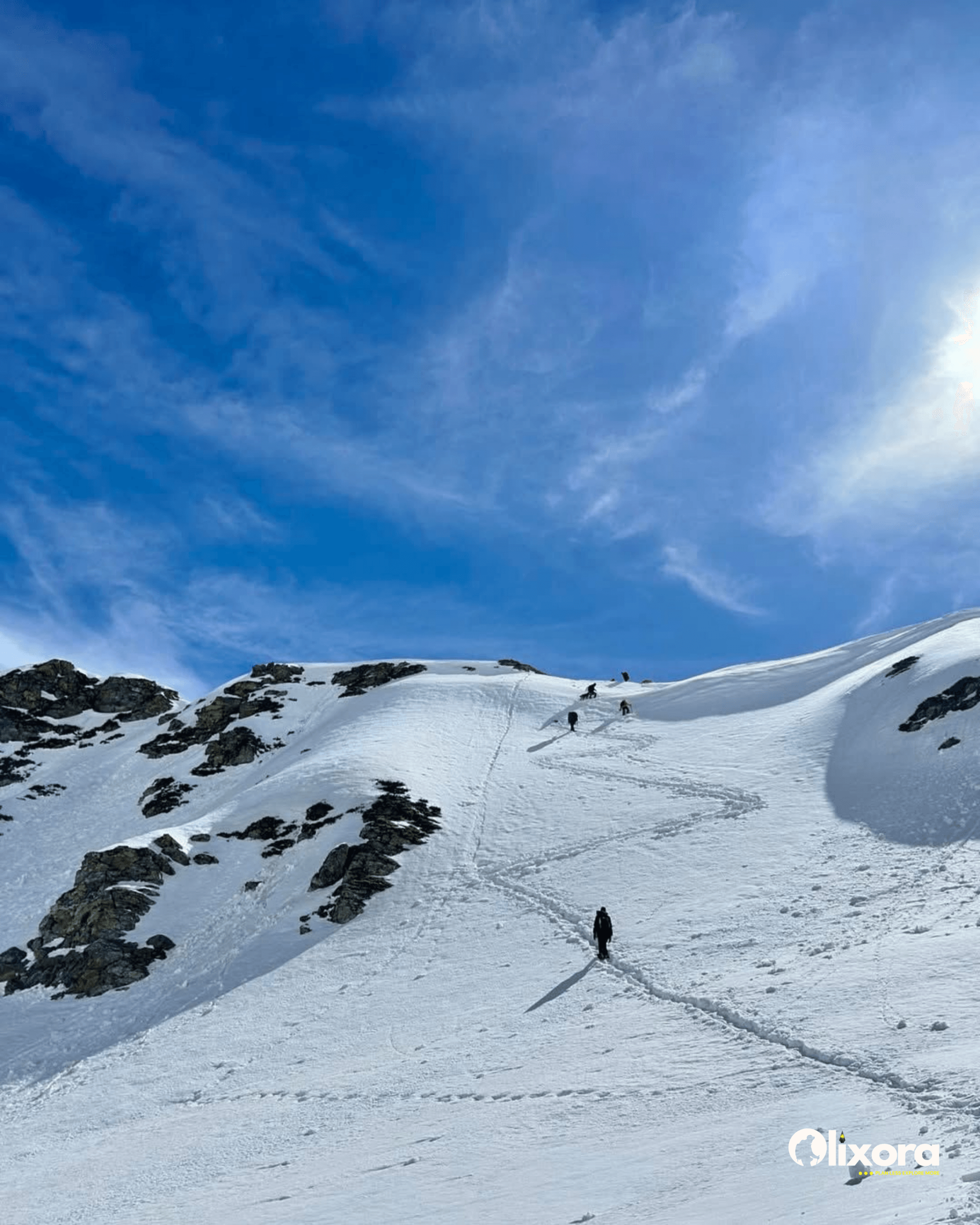
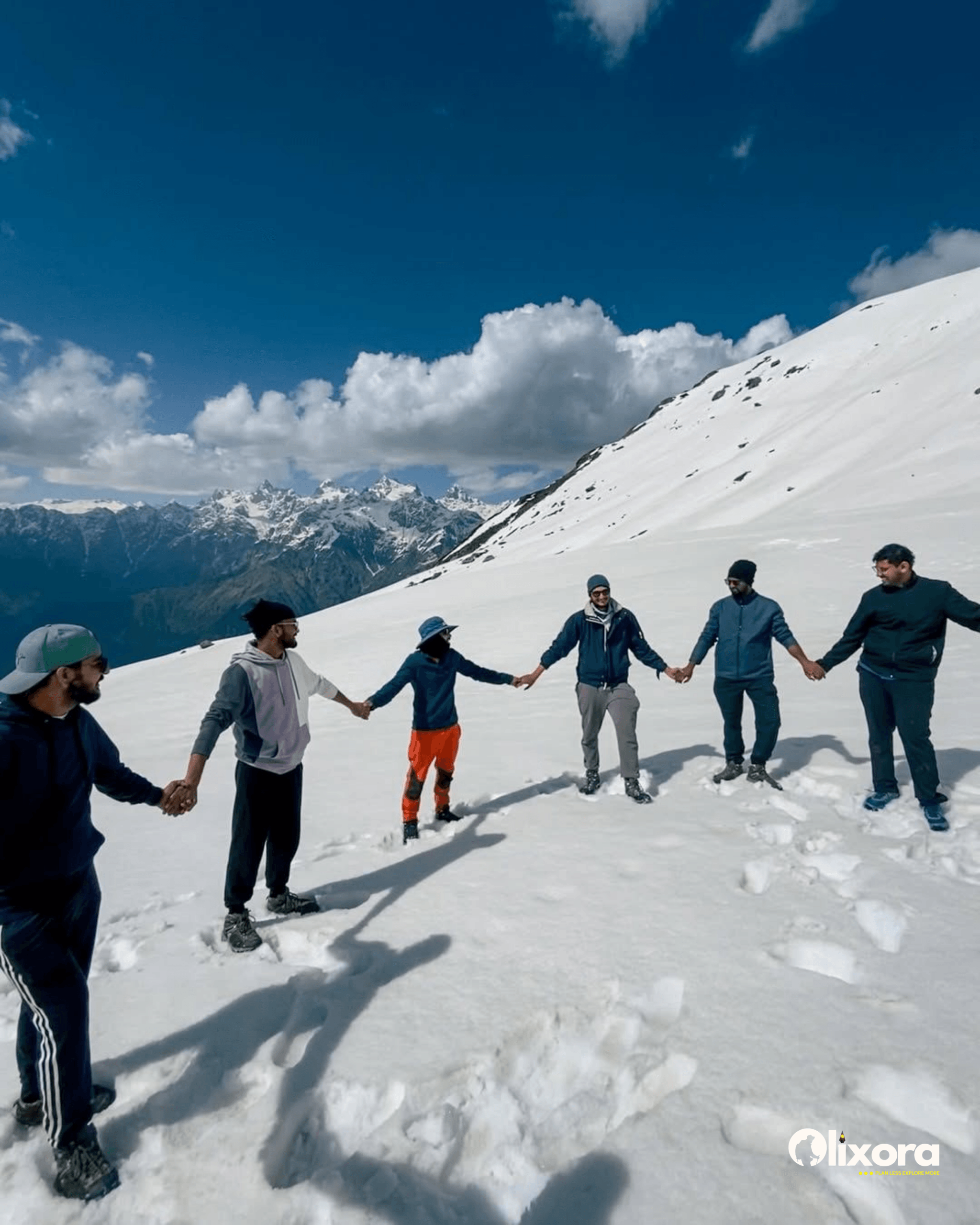
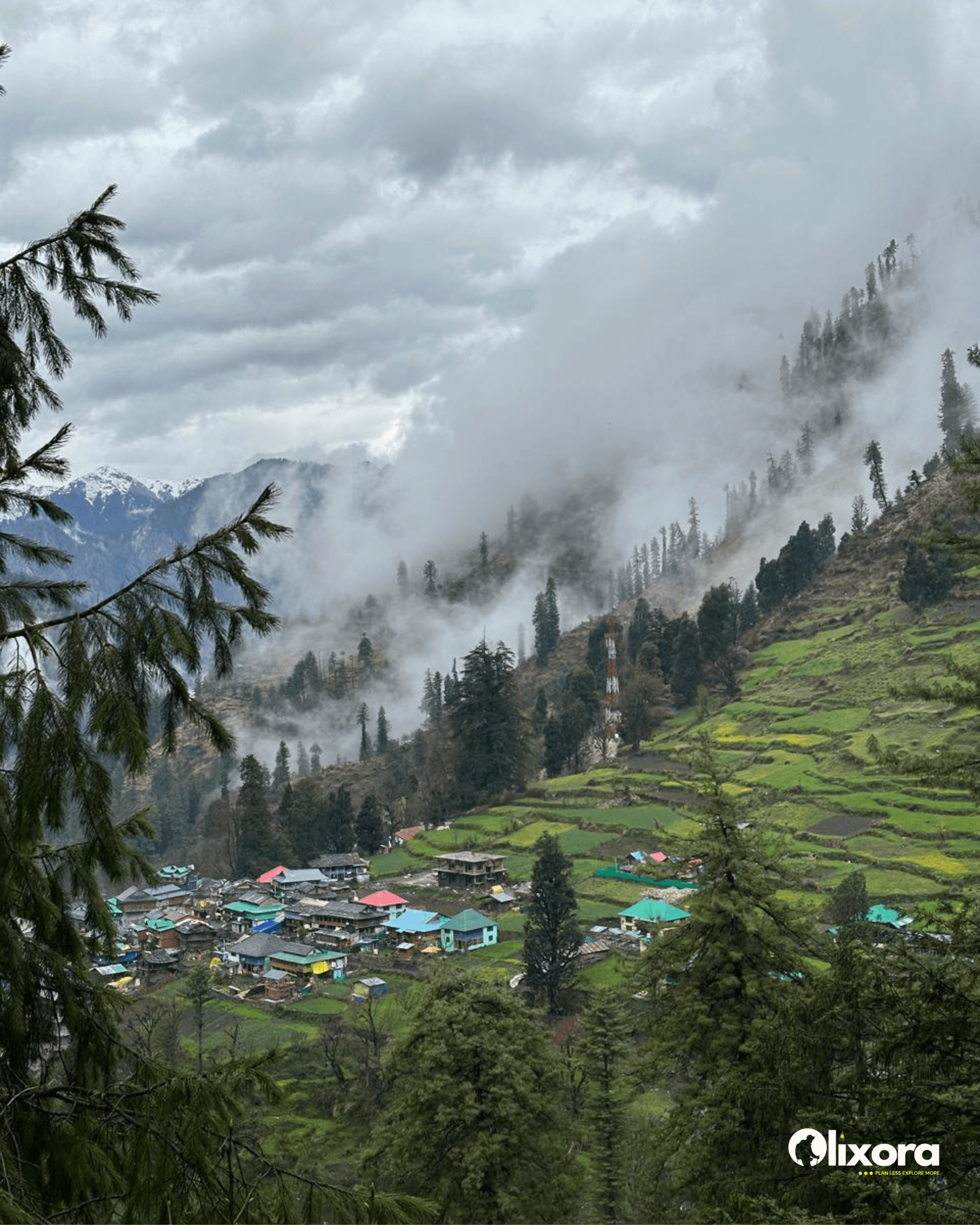
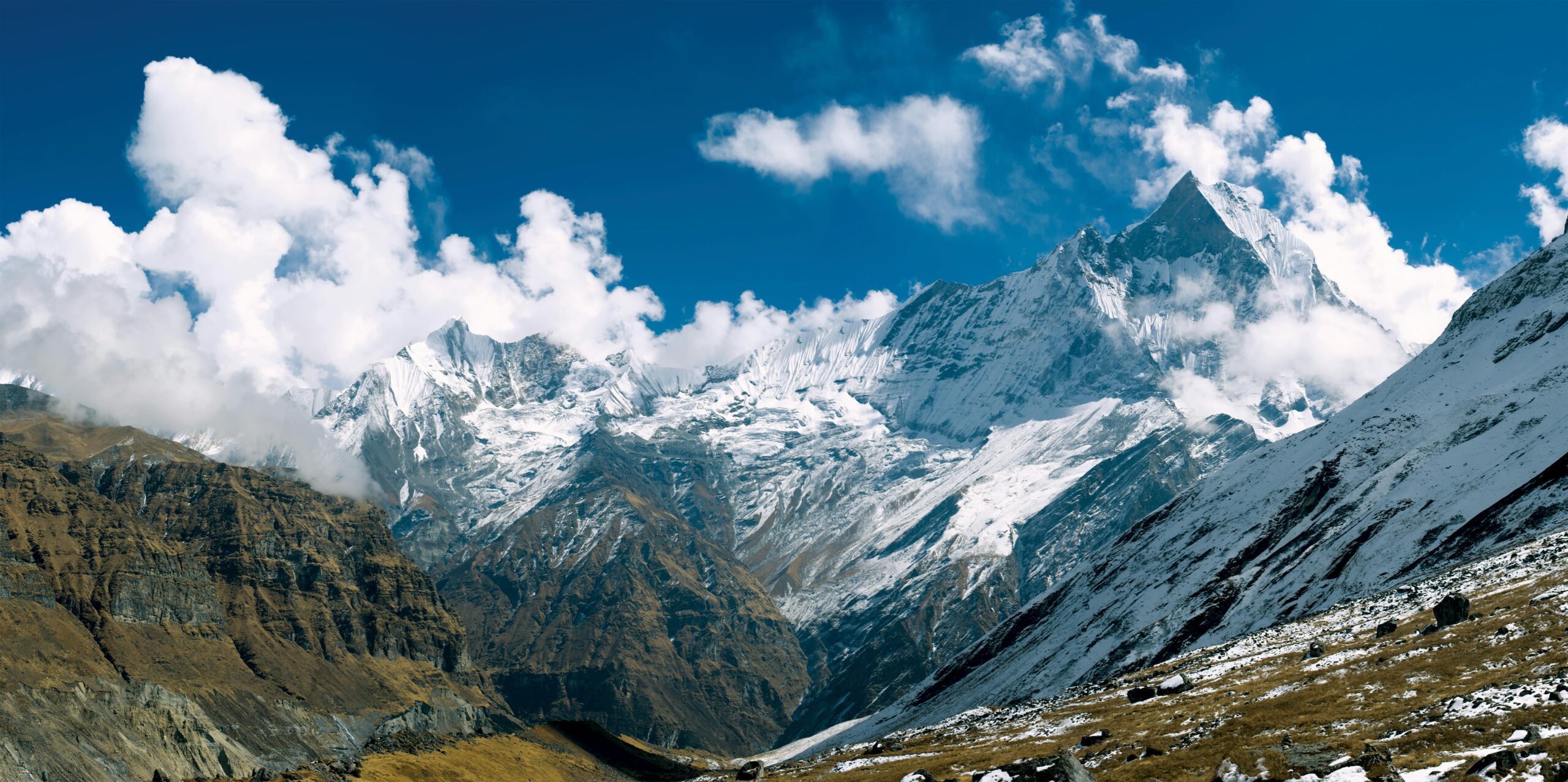
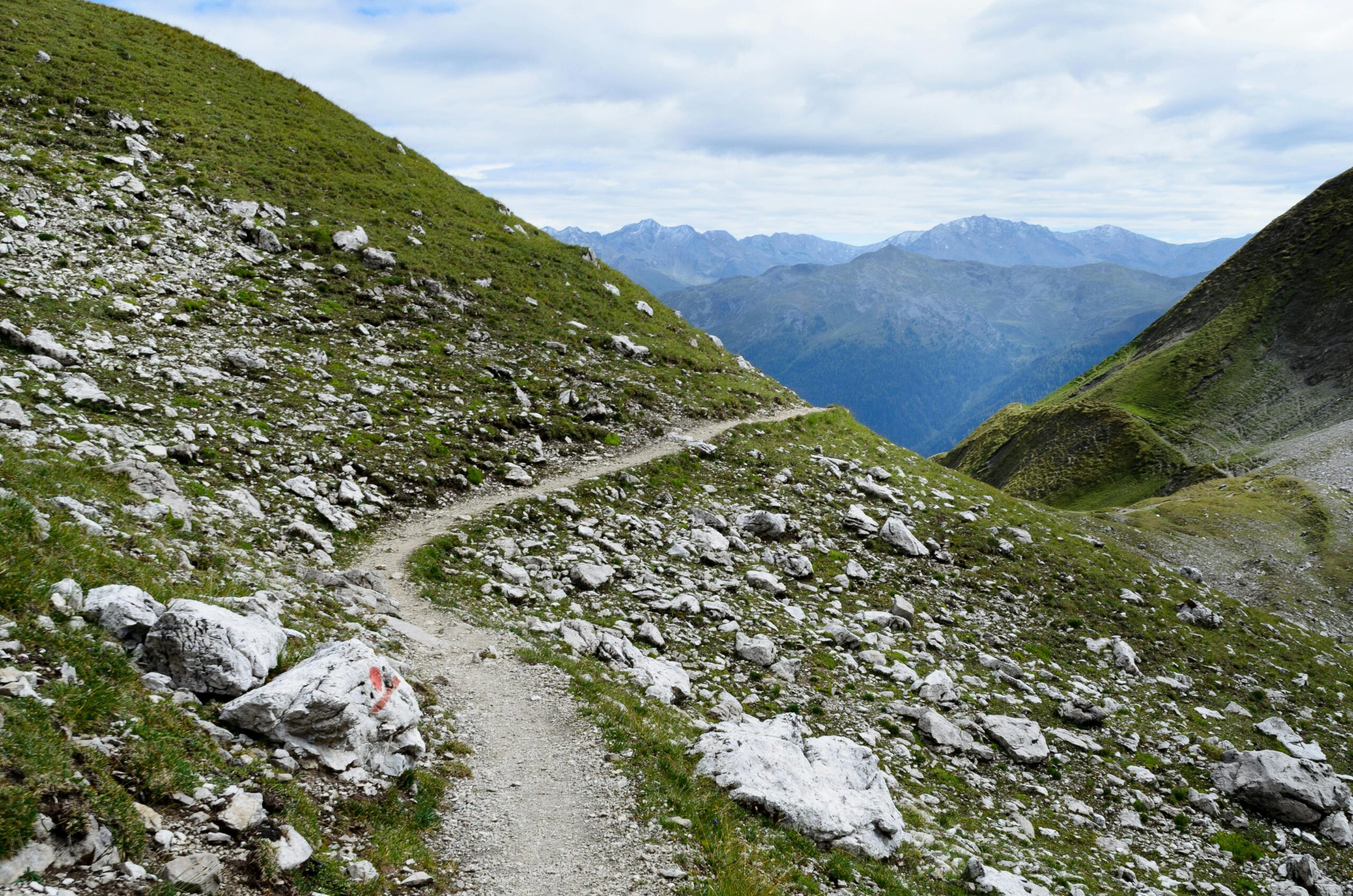
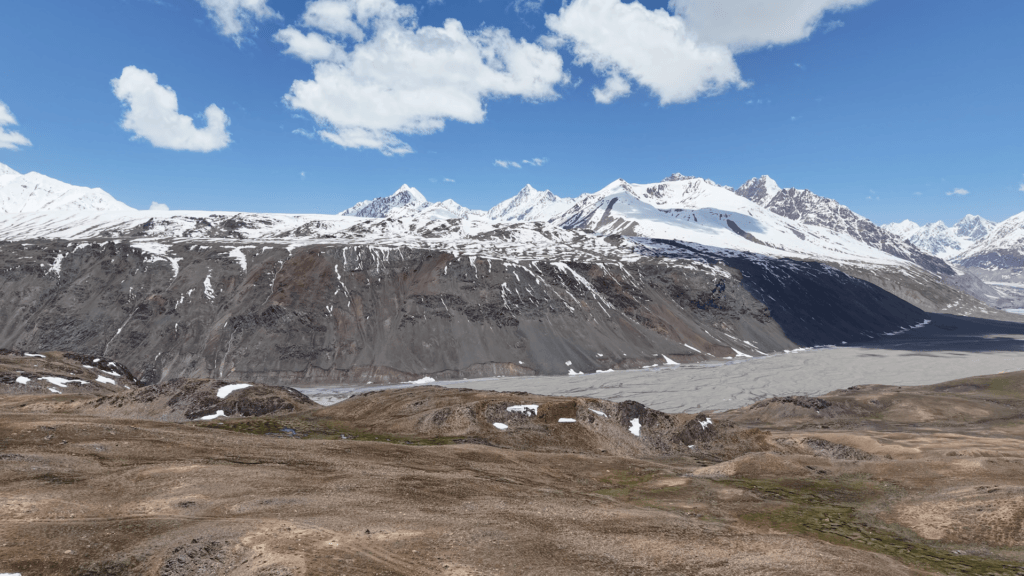
To begin with, the Hampta Pass Trek stands out as a highly popular 5-day expedition in Himachal Pradesh. Initially, you depart from Manali and witness an instant, dramatic landscape shift. Specifically, the route transitions directly from the lush, verdant Kullu Valley into the stark, barren deserts of Lahaul and Spiti. Consequently, this sudden environmental contrast creates an unforgettable trekking experience.
High-Altitude Challenges and Highlights
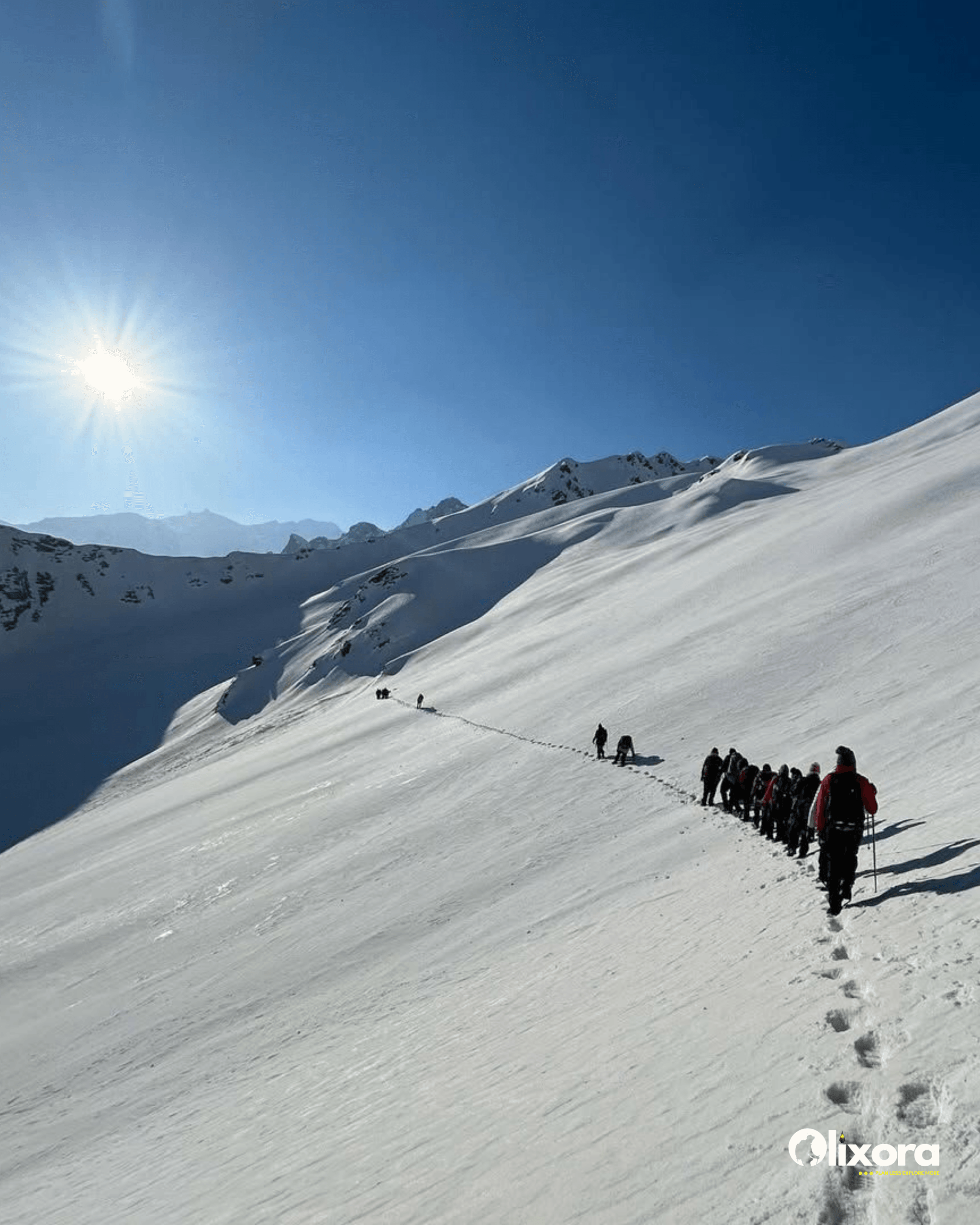
Furthermore, this thrilling adventure covers a total distance of 25 to 30 kilometers through pristine wilderness. Subsequently, the trail challenges you with rushing river crossings and a steep pass ascent. Therefore, you should join our expert-led Olixora group departures to navigate these glaciers safely. Ultimately, your expedition reaches its grand finale with a highly rewarding visit to the magnificent Chandratal Lake.
-
Dramatic Landscape Crossover: First and foremost, experience a stunning, instant transition from Kullu’s lush green forests into Spiti’s stark cold desert.
-
Thrilling Pass Ascent: Moreover, reach a magnificent maximum altitude of 4,270 meters at the summit of the iconic Hampta Pass.
-
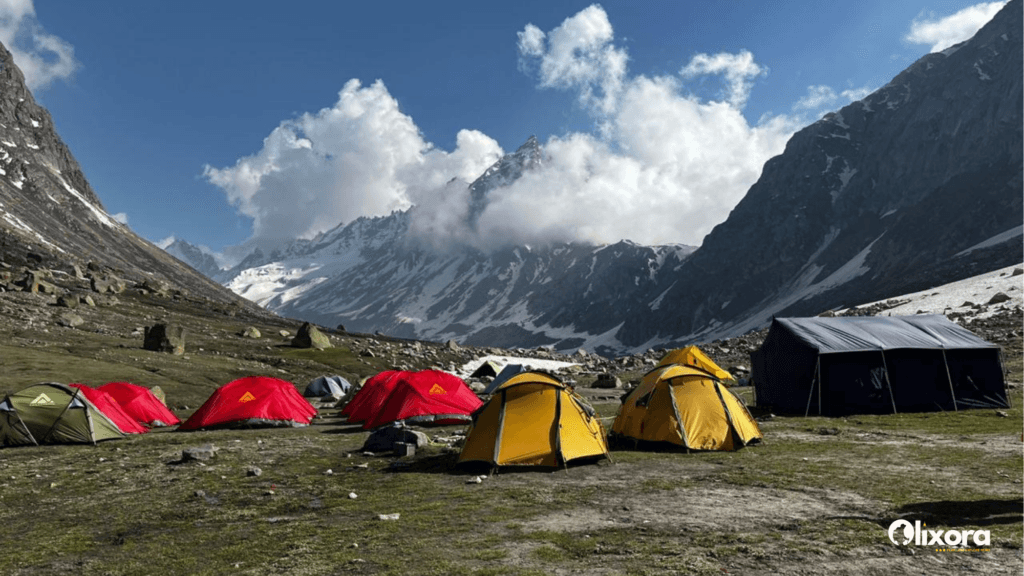
Scenic High-Altitude Camping: Additionally, sleep in picturesque riverside tents at pristine mountain campsites like Chika and Balu Ka Ghera.
-
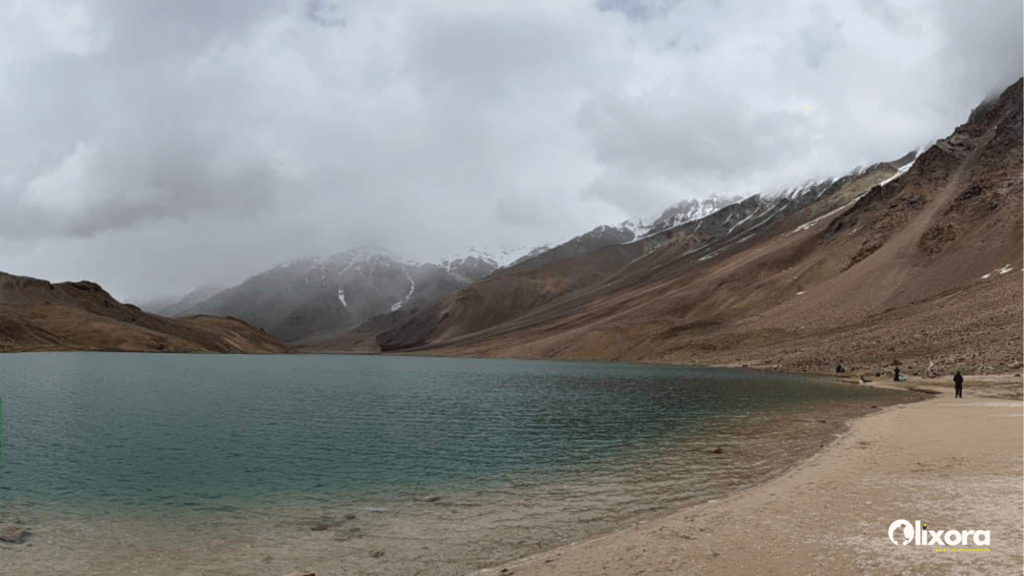
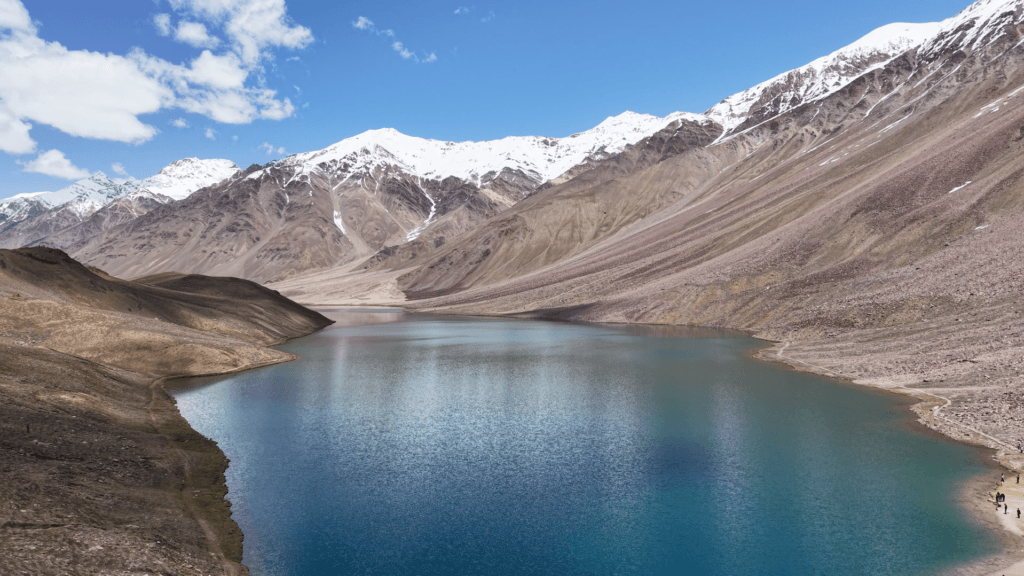
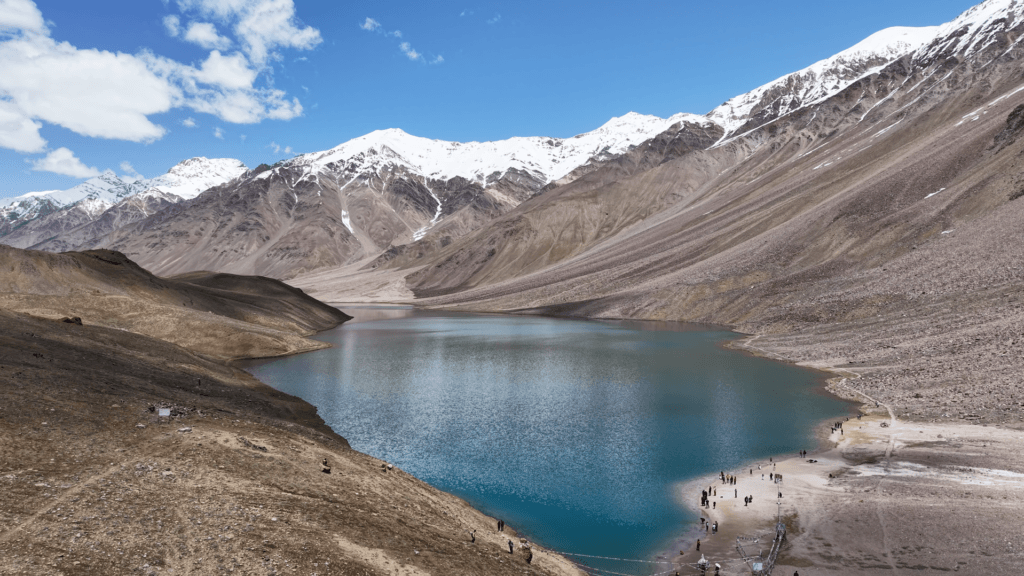
Exquisite Chandratal Visit: Subsequently, discover the magnificent, crescent-shaped turquoise waters of the legendary high-altitude Chandratal Lake.
-
Iconic Atal Tunnel Drive: Finally, conclude your adventure with a spectacular return journey to Manali through the world-famous Atal Tunnel.
ITINERARY
Initially, you gather with your group in Manali before heading out toward the mountain trailhead. Because the first day's trail is relatively short, our team consequently reaches the beautiful Chika campsite very quickly. Subsequently, you spend the entire afternoon comfortably settling into your tents and adapting to the crisp mountain air.
Furthermore, later in the evening, the expedition team serves a hot, delicious dinner to warmly welcome everyone. Ultimately, you stay overnight in the premium camps located right next to the peaceful, rushing mountain streams.
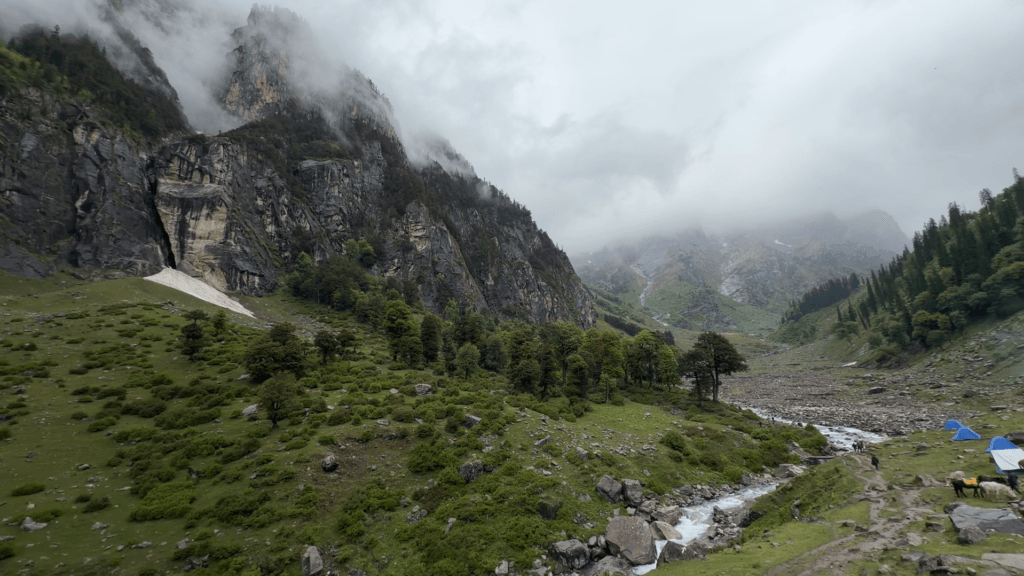
To begin with, start your morning trek along a trail that follows the beautiful, flowing Jwara River. Furthermore, the moving water seems to follow your footsteps while the mighty Dhauladhar ranges beckon you closer. Consequently, you feel completely immersed in the raw mountain surroundings as you climb.
Subsequently, we will reach the scenic location of Balu Ka Ghera shortly after midday. Ultimately, we set up our high camp directly among the towering peaks for the night.
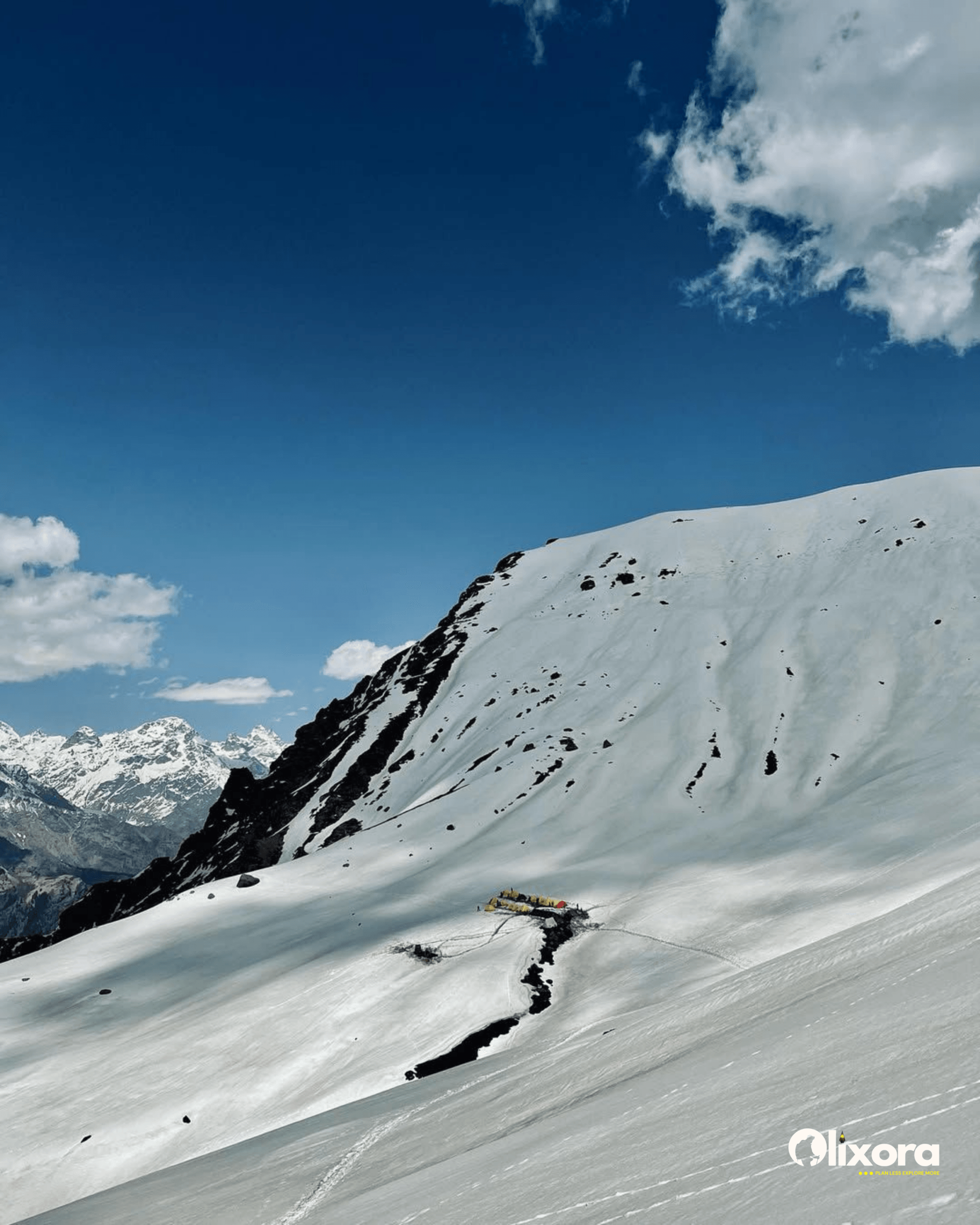
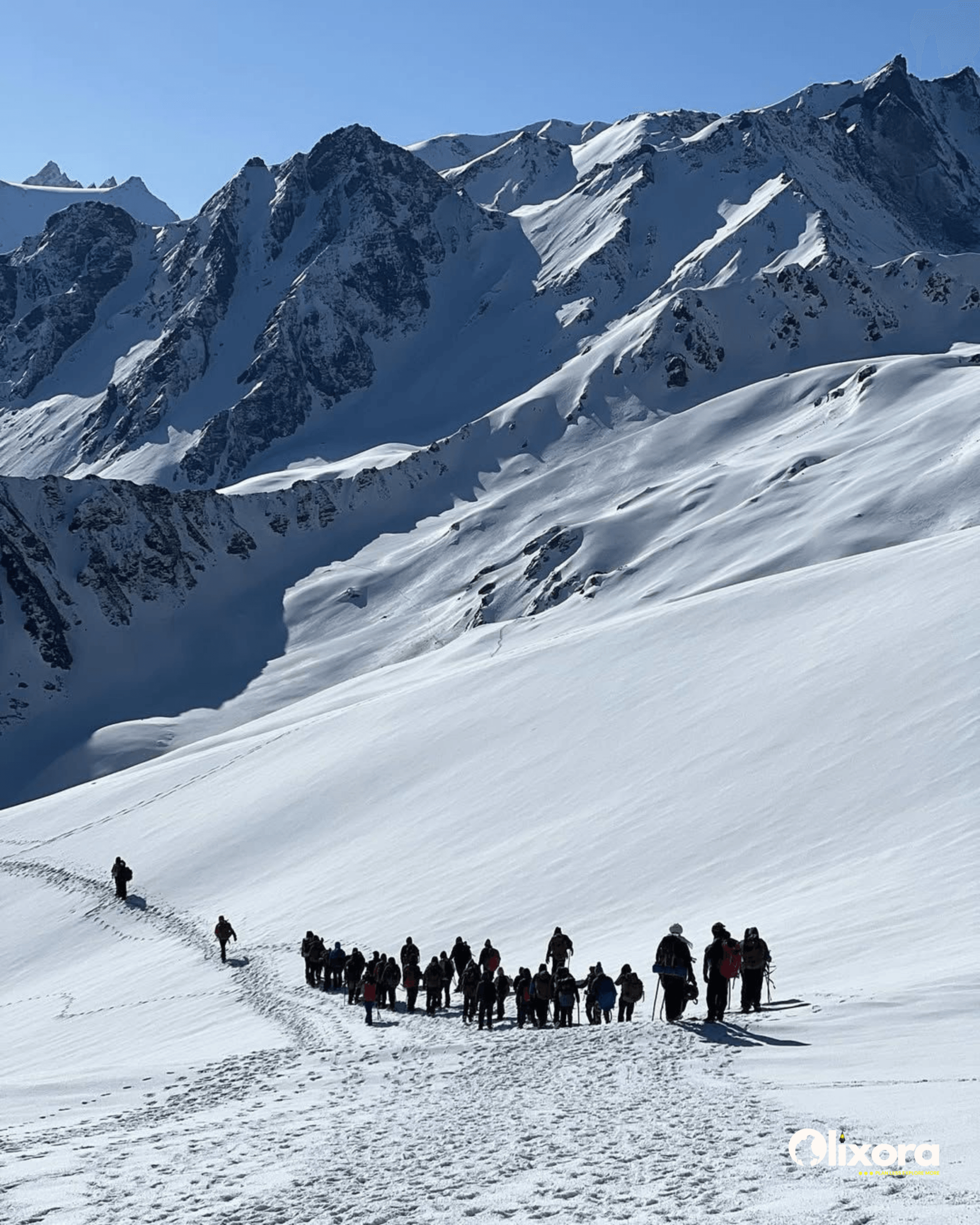
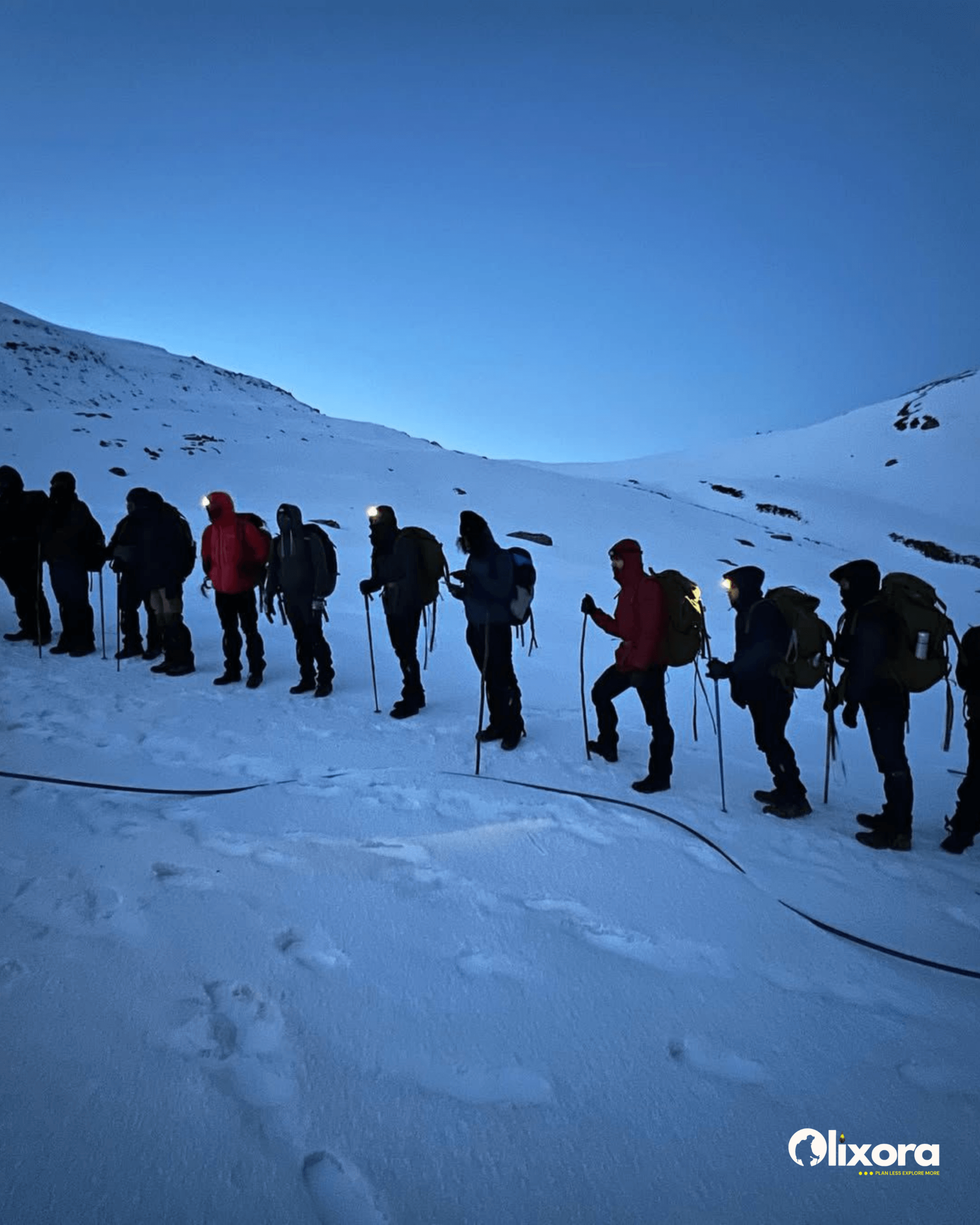
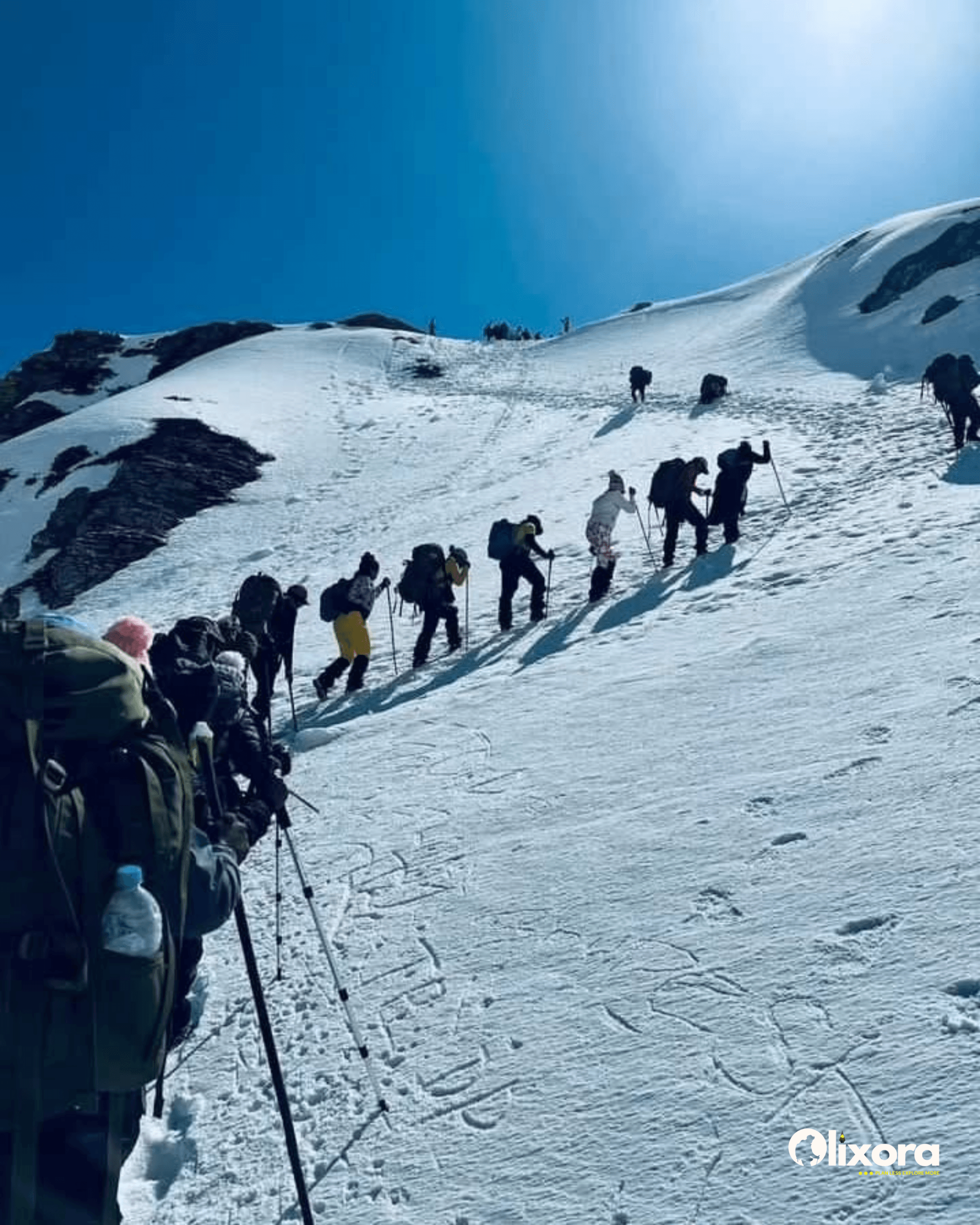
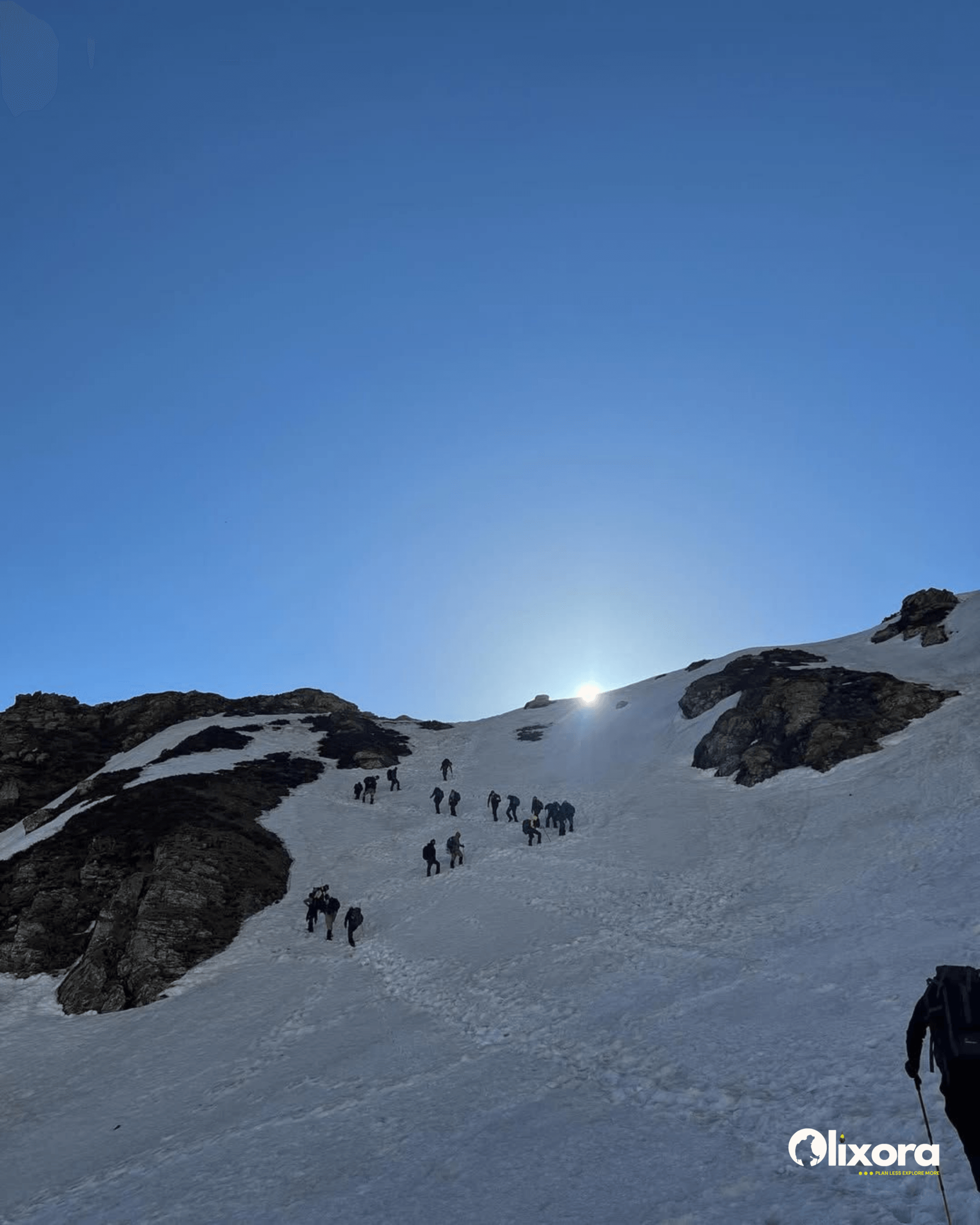
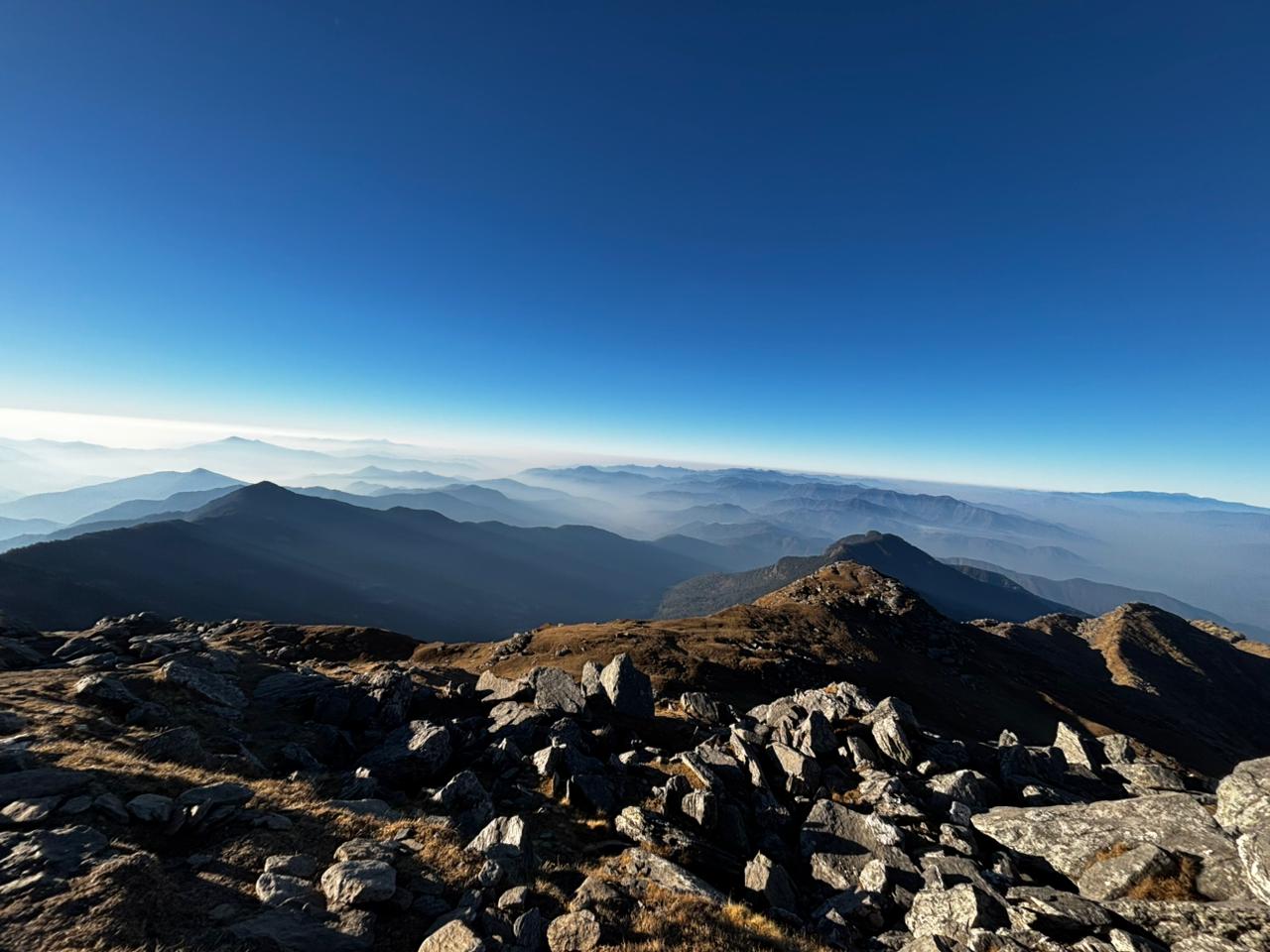
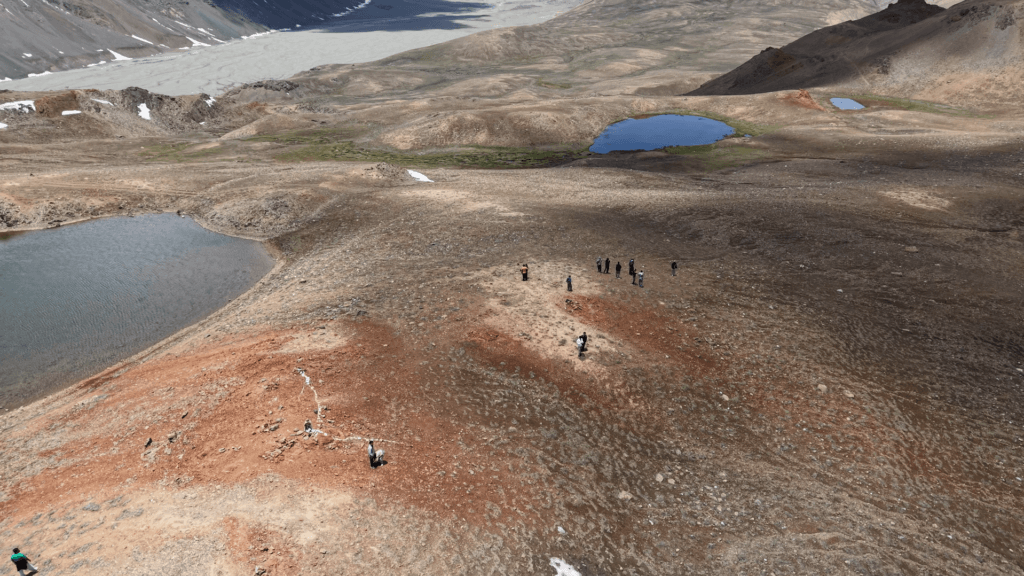
Initially, you begin the tough ascent early in the morning to cross the iconic Hampta Pass. Furthermore, as you climb higher, you get incredible views of the Deo Tibba peak beckoning you closer. Eventually, we reach the maximum altitude of 4,270 meters and enjoy the magnificent view at the top of the pass.
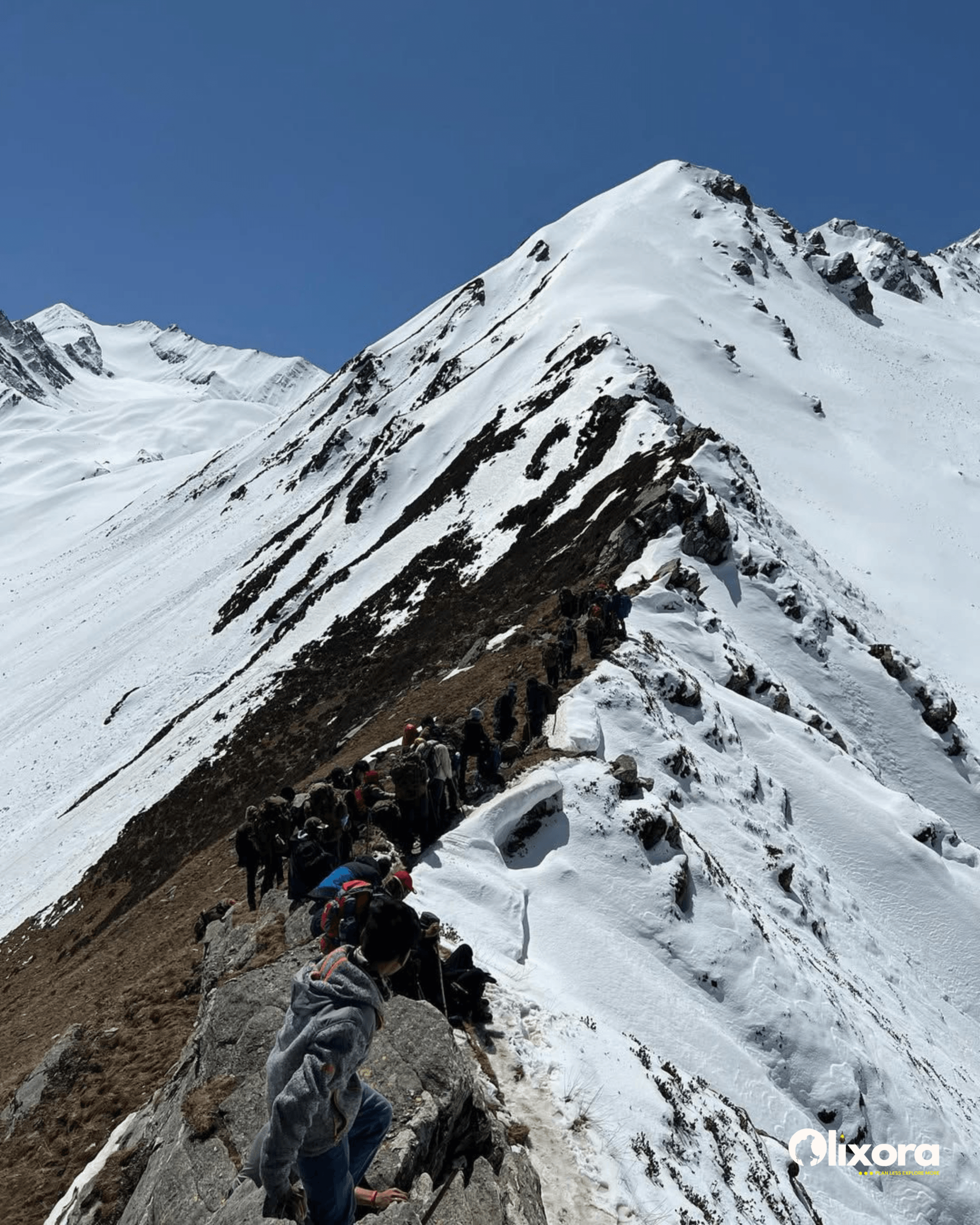
Subsequently, immediately after this exhilarating moment, we begin our descent into the next valley. However, you must be careful because the downhill trail consists of slippery soil and loose stones. Ultimately, the twisting path leads you to the base where the team serves a warm dinner at Shea Goru.
Initially, we eat an early breakfast to make the most of this highly anticipated day. Subsequently, we begin our downhill trek toward Chatru through the rapidly changing terrain. Consequently, because the trek is relatively short, we reach the Chatru road-head quickly to meet our vehicles.
Furthermore, once we arrive in Chatru, we drive toward the legendary Chandratal Lake, located 45 kilometers away. Indeed, you can spend the entire afternoon exploring this beautiful high-altitude moon lake set against magnificent snow-capped mountains. Ultimately, we return to camp for a warm dinner and a restful overnight stay.
Initially, we enjoy early morning tea and breakfast at the campsite before packing up. Subsequently, we start our return journey and drive from Chatru back to Manali. Specifically, this drive is remarkably scenic because you witness majestic mountains while the Chandra River flows constantly beside you.
Furthermore, you will traverse the iconic engineering marvel of the Atal Tunnel along the route. Ultimately, you arrive back in Manali by the early afternoon to conclude your extraordinary Olixora crossover adventure.
Package
When to Trek Hampta Pass?
This high-altitude crossover trek has a tight seasonal window. Review our active trekking months to secure your spot safely.
May
Moderate / Risky- Accessible late month only
- For advanced trekkers
- Heavy snow & unpredictable weather
June
Peak Snow Views- Best for snow lovers
- High snow patches remain
- Dramatic alpine landscapes
July
Monsoon Arrival- Peak conditions in early July
- Lush greens & wildflowers
- Slippery trails by late month
August
Peak Monsoon- Extremely bright green valleys
- Rain-washed photography
- Risk of muddy, slippery paths
September
Absolute Best Time- Crystal clear blue skies
- Monsoon-washed green valleys
- Safe, stable river crossings
- Perfect mountain visibility
October
Autumn Chill- Crisp, cold alpine air
- Stunning autumn mountain colors
- Season abruptly halts late month
Download Trek Itinerary
Get the complete daily schedule, packing guide, and offline details for the Hampta Pass trek to read anytime.
MORE INFO
PACKING ESSENTIALS
Here is the checklist of the most important things you need to carry:
-
FOOTWEAR: You must wear sturdy, water-resistant, high-ankle trekking shoes with deep groove soles to navigate rocky terrain, snow patches, and stream crossings safely.
-
CLOTHIING LAYERS: Pack a five-layer clothing system including a moisture-wicking base layer, a warm fleece, a heavy down jacket for freezing nights, water-resistant trek pants, and a waterproof rain poncho.
-
BAGS & COVERS: Bring a durable 50 to 60-liter rucksack with a waterproof rain cover, along with a separate 20-liter daypack to carry your daily essentials like water, snacks, and a camera.
-
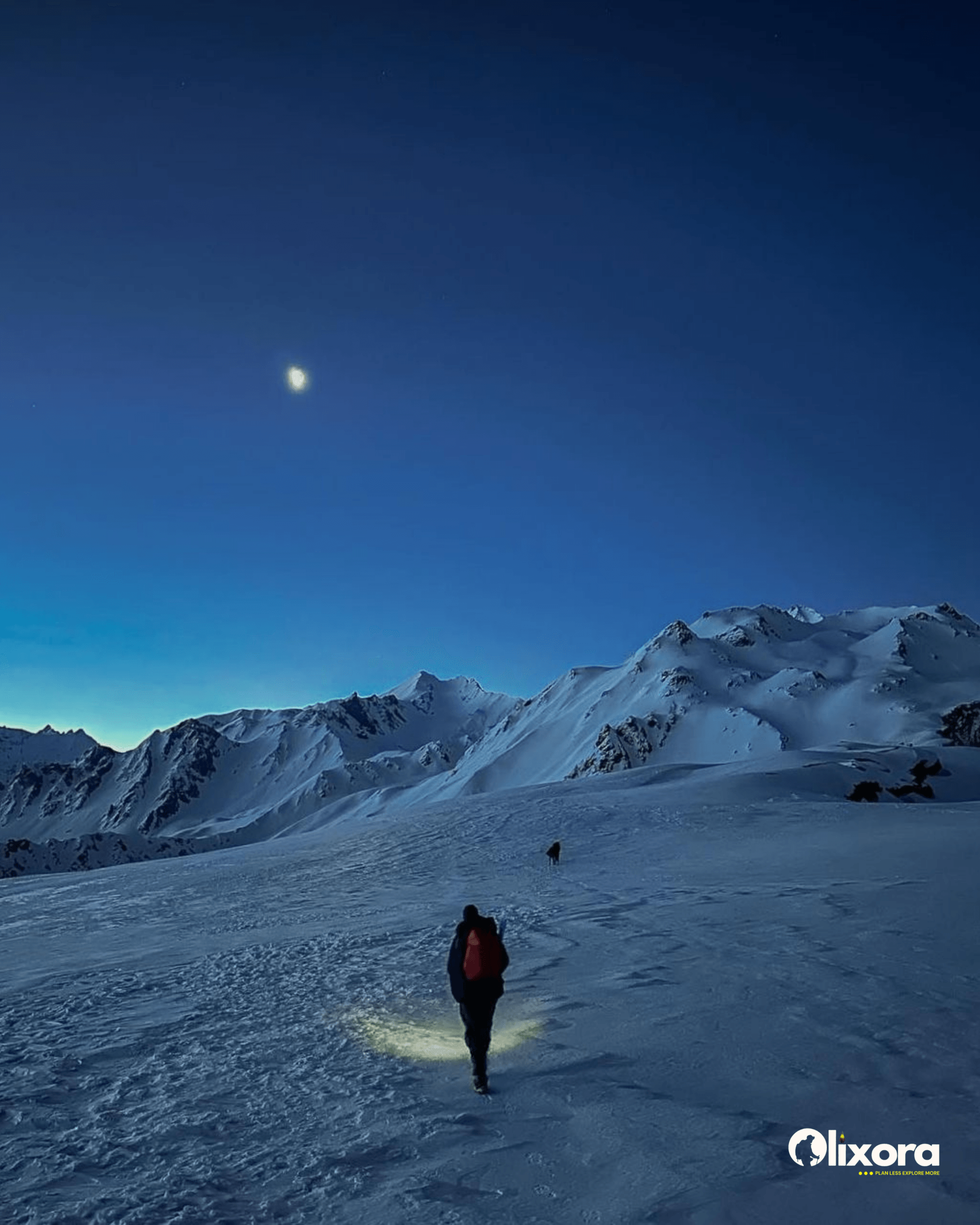
LIGHTNING & POWER: Carry a high-quality hands-free headlamp with extra batteries for navigating dark campsites, alongside a high-capacity power bank to keep your electronic devices charged.
-
SKINI & EYE PROTECTION: Pack UV-protection sunglasses to prevent snow blindness, a wide-brimmed sun cap, a warm woolen beanie, a high-SPF sunscreen lotion, and a moisturizing lip balm.
-
HYDRATION & DINING: Carry two reusable one-liter water bottles or a hydration bladder to stay constantly hydrated, plus a personal lunchbox, mug, and spoon for daily trail meals.
-
MEDICAL & HYGIENE: Include a personal first-aid kit with prescribed medications, muscle spray, band-aids, ORS packets, hand sanitizer, and sufficient biodegradable wet wipes for daily hygiene.
THINGS TO KEEP IN MIND
You must wear high-ankle trekking shoes with deep lugs and excellent grip. Because you will navigate slippery snow patches, loose gravel slopes, and wet river crossings, proper ankle support prevents injuries. Ensure your boots are highly water-resistant to keep your feet dry during glacial stream crossings. Furthermore, make sure to break in your shoes at least two weeks before your journey begins.
You need to pack an efficient five-layer clothing system to handle the rapid weather changes. Specifically, include a synthetic moisture-wicking base layer, a warm fleece jacket, and a heavy down jacket for the freezing nights at Shea Goru. Additionally, pack water-resistant trekking pants and a reliable waterproof poncho or rain jacket. This combination protects you perfectly against sudden high-altitude downpours, wind chill, and snow.
You require a durable 50 to 60-liter rucksack with a built-in rain cover to hold all your essential gear. Because mountain weather remains highly unpredictable, the rain cover keeps your dry clothes safe during daily treks. If you choose to offload your main backpack to our porters, you must also bring a compact 20-liter daypack. This smaller pack allows you to carry your water bottle, rain poncho, and medical kit yourself.
Yes, you must carry a reliable personal medical kit containing your specific prescription medications, band-aids, and ORS packets. Additionally, pack high-protection SPF 50+ sunscreen, a moisturizing lip balm, and a sun cap to prevent severe UV radiation burns on the glacier. Bring a high-quality headlamp with extra batteries for navigating the dark campsites at night. Finally, pack sufficient wet wipes and a small sanitizer bottle to maintain proper personal hygiene on the trail.
GENERAL QUERIES
The Hampta Pass Trek features an easy-to-moderate difficulty rating. Consequently, beginners can absolutely complete the journey. However, you need a basic level of fitness to walk 5 to 6 kilometers daily with comfort. Therefore, building up your cardio endurance before departure ensures a much more enjoyable trek.
You typically walk for 4 to 6 hours on most days, covering a distance of 5 to 8 kilometers. However, the pass-crossing day is much longer and more demanding. On that specific day, you will trek for 8 to 9 hours to cover 12 kilometers. Because the terrain changes quickly, you will maintain a steady and careful pace.
Both treks offer distinct challenges. Specifically, Hampta Pass tests your technical wilderness skills at 14,100 feet. You must cross freezing rivers and rugged terrain. Conversely, Kedarnath requires intense stamina for a steep, paved ascent. Therefore, Hampta Pass challenges your agility, while Kedarnath exhausts your endurance. Alternatively, if you meant the Kedarkantha trek, Hampta Pass is definitively harder due to greater altitude and complex trails.
The highest altitude you reach on Hampta Pass Trek is 4,270 meters (14,000 feet) at the apex of the Hampta Pass. Additionally, if you choose the lakeside excursion, you will visit Chandratal Lake which sits at a magnificent 14,100 feet. Because you gain altitude steadily over the first three days, your body adapts smoothly to the elevation.
This is a remote wilderness trek; consequently, you will not find any electricity or hot shower facilities at the campsites. You will stay in high-quality tents where running power is completely unavailable. Therefore, you must carry a reliable power bank to keep your camera and phone charged. Wet wipes and small towels are your best options for hygiene on the trail.
No, there are absolutely no ATMs available once you leave your base camp at Manali. You must withdraw sufficient cash for personal expenses before starting the drive to the trailhead. For instance, you will need local currency if you choose to buy extra snacks at Chatru or tip your support staff. Consequently, handling your banking in Manali ensures a stress-free trip.
Technically, you can trek Hampta Pass alone. However, experts strongly advise against solo attempts. Specifically, the route demands treacherous river crossings and complex navigation. Additionally, you must carry all heavy camping gear and food yourself. Therefore, isolation significantly increases your risk of getting lost or injured. Ultimately, booking a guided group ensures proper safety and expert navigation.
The Hampta Pass trek spans approximately 26 to 28 kilometers over four to five days. The core trail begins at Jobra and ends at Chatru. Typically, you will hike 5 to 9 kilometers daily. Therefore, consistent pacing is essential. Additionally, you must navigate steep ascents, rocky scree, and freezing river crossings. Ultimately, while the total distance seems short, the high altitude and rugged terrain demand excellent physical preparation.
Mobile network and internet access disappear completely shortly after you begin the drive from Manali. You will experience a total digital detox throughout your five days in the mountains. A patchy signal might return briefly when you reach the road-head at Chatru or return through the Atal Tunnel. Therefore, you should inform your family about the lack of communication before you depart.
Beginners can conquer the Hampta Pass trek. However, experts rate it as moderate. Therefore, you need strong stamina. Specifically, you will climb 14,100 feet, tackle steep trails, and cross freezing streams. Consequently, you must acclimatize to avoid altitude sickness. Ultimately, first-time trekkers must complete four to six weeks of cardio training to ensure safety.
Yes, hiring a professional trekking agency like Olixora is highly necessary for a safe crossover. Navigating high-altitude passes independently carries severe risks due to sudden weather shifts and hidden glacial crevasses. Our certified trek leaders manage all forest permits, weather monitoring, and safety gear seamlessly. Furthermore, an expert team ensures you cross the challenging terrain securely.
When you book a complete group departure package with Olixora, all guide and porter fees are fully included in your upfront trip cost. However, if you wish to offload your personal backpack for a porter to carry, it usually costs an extra nominal fee per day. This comprehensive structure ensures fair wages for the local mountain staff while keeping your logistics entirely hassle-free.
The Hampta Pass trek is classified as a moderate Himalayan trek. While it is suitable for fit beginners, it demands good physical stamina. The trail involves walking 5 to 6 hours daily, navigating steep ascents, river crossings, and walking over snow and boulders to cross the pass at approximately 14,100 feet. Good cardiovascular fitness and prior preparation are highly recommended for a safe and enjoyable experience.
Yes, trekking Hampta Pass from July - September is safe. However, monsoon conditions require caution. Specifically, heavy rains make trails muddy and slippery. Additionally, fog reduces visibility. Therefore, you must pack waterproof gear and sturdy boots. Furthermore, hire certified guides to monitor real-time weather risks. Ultimately, proper preparation ensures a safe, successful trek.
HEALTH & MOUNTAIN SAFETY
Acute Mountain Sickness occurs when your body struggles to adapt to thin mountain air. Because the trail rises rapidly, you might experience headaches, dizziness, or nausea. You can prevent this effectively by maintaining a slow pace and drinking four liters of water daily. Most importantly, inform your trek leader immediately if you feel unwell.
The downhill trail from the pass features very steep slopes, loose gravel, and slippery rocks. This terrain puts intense pressure on your lower joints, which can cause severe strain or slips. You can protect your body by using a pair of trekking poles to absorb the impact. Furthermore, always take short, deliberate steps to maintain your balance.
Mountain environments can challenge your body; consequently, you might face minor physical issues on the trail. You can treat painful blisters immediately by applying a sterile band-aid or moleskin tape. Prevent muscle cramps by mixing electrolyte or ORS packets into your daily drinking water. Finally, use hand sanitizer before every meal to avoid infections.