

Hampta Pass Trek
Complete Packing List & Fitness Preparation Guide
Discover everything you need before trekking Hampta Pass—from choosing the right equipment and preparing your fitness to packing efficiently for unpredictable Himalayan weather, high-altitude terrain, and river crossings.
Prepare for Every Terrain
Hampta Pass isn't a typical Himalayan trek. Within a few days you'll walk through lush forests, alpine meadows, snow-covered mountain passes and the cold desert of Spiti. Packing smart—not packing more—is the key to a comfortable trekking experience.
Clothing Layer System
Layering keeps you comfortable across changing temperatures without carrying unnecessary weight.
❄ Base Layer
Carry 2–3 quick-dry full-sleeve t-shirts. Avoid cotton as it retains moisture and increases body heat loss.
🧥 Insulation
One fleece jacket and one down or padded jacket provide warmth during freezing nights at higher camps.
🌧 Outer Protection
Carry a waterproof jacket or rain poncho. Mountain weather can change within minutes.
👖 Trek Pants
Pack two lightweight quick-dry trekking pants made from breathable synthetic fabrics.
Footwear & Gear
Reliable equipment improves comfort, safety and confidence throughout the trek.
🥾 Trekking Shoes
High-ankle trekking shoes with deep grip soles. Break them in at least two weeks before departure.
🎒 Backpack
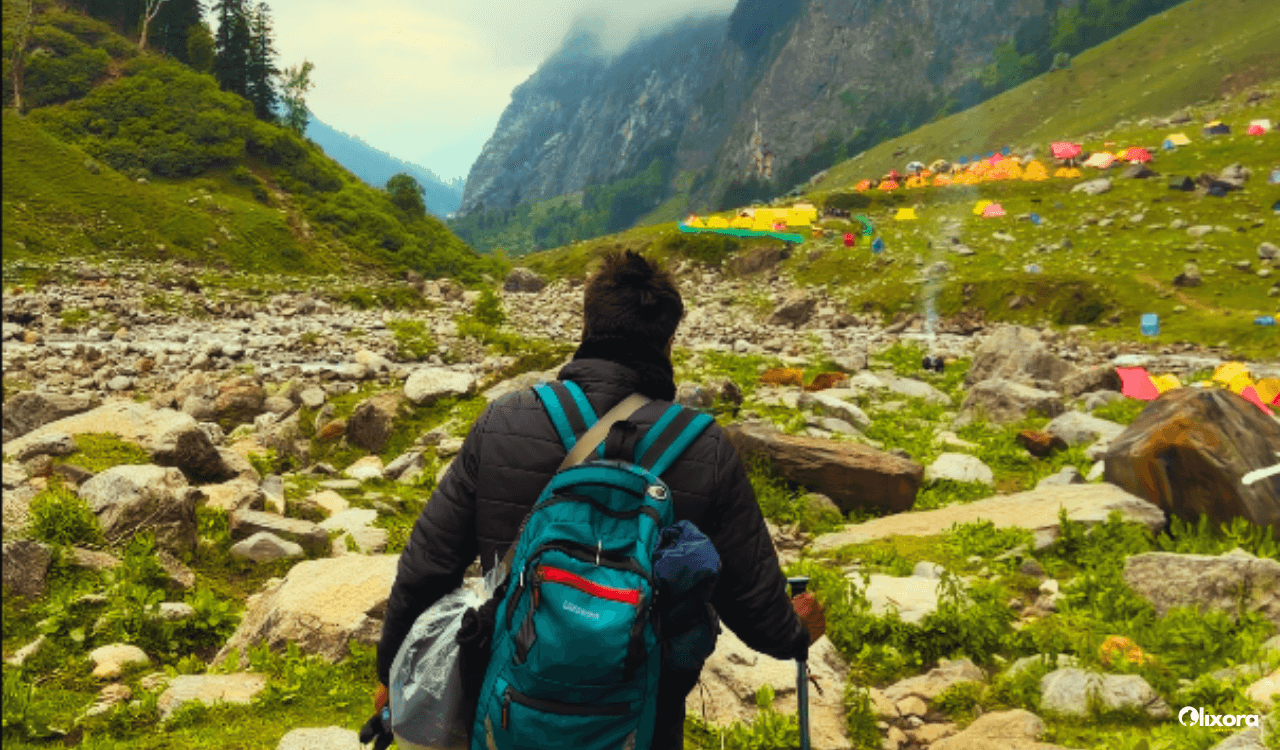
A 55–60L backpack with a padded hip belt and waterproof rain cover is ideal.
🥢 Trekking Poles
Strongly recommended to reduce strain on knees during long descents from the pass.
🔦 Headlamp
Essential for campsites after dark while keeping both hands free.
Trek Leader's Tip
Most first-time trekkers overpack clothing but underestimate the importance of proper footwear. Invest in quality trekking shoes and use a layering system instead of carrying bulky jackets—you'll stay lighter, warmer and far more comfortable throughout the trek.
Ready for the Trek?
Your backpack is only half the preparation. Building your fitness, checking your essentials, and arriving prepared will help you enjoy the journey rather than simply endure it.
4-Week Fitness Blueprint
Start preparing at least four weeks before departure to improve endurance, reduce fatigue and enjoy the climb to Hampta Pass with confidence.
Build Your Foundation
Brisk walking or light jogging for 30–40 minutes, three to four times a week, combined with bodyweight squats and planks.
Improve Endurance
Increase your running distance to around 4 km and include stair climbing sessions to strengthen your legs.
Build Trek Strength
Aim to comfortably run 4–5 km and continue lunges, squats, planks and stair workouts to improve stability.
Trek Ready
Complete one long walk or practice hike carrying a light backpack, then allow your body adequate rest before departure.
Departure Checklist
Before leaving home, make sure these essentials are packed and ready for a smooth check-in with our trek leaders.
Everything Ready? Your Himalayan Adventure Awaits.
If you have questions about gear rentals, transportation, permits, or what's included, explore our complete Hampta Pass Trek package or speak with our trekking specialists before your departure.
🥾 Explore Hampta Pass TrekFrequently Asked Questions
Everything trekkers commonly ask before joining the Hampta Pass Trek.
Proper trekking shoes with deep lugged soles and good ankle support are mandatory. Running shoes or casual sneakers do not provide enough grip on muddy trails, wet rocks, or snow patches, increasing the risk of slips and ankle injuries.
Yes. Weather in the Himalayas changes rapidly. The Kullu side often receives rainfall, and sudden showers or light sleet are common near the pass. A rain poncho that covers both you and your backpack is strongly recommended.
Avoid cotton socks because they retain moisture, dry slowly and increase the chances of blisters. Instead, carry 3–4 pairs of synthetic trekking socks or merino wool socks that cushion your feet while wicking away sweat.
Carry at least 2 litres of water every morning. Staying hydrated is one of the most effective ways to reduce the risk of Acute Mountain Sickness (AMS) while trekking above 11,000 feet.
We strongly discourage it. A regular backpack places most of the weight on your shoulders, causing unnecessary fatigue. A technical 55–60L trekking backpack with a padded hip belt transfers the weight to your hips, making long trekking days significantly more comfortable.
Learn more on our Hampta Pass Trek page →